
What Is the Best Time to Apply Face Serum?
Ever wondered why your face serum sometimes feels like it works beautifully—and other times seems to do almost nothing? The timing of your serum can make a difference, especially when you consider your skin type, the ingredients in your product, and the rest of your skincare routine.
The good news? There isn’t one universal “perfect” time for every serum. Most people can get great results by applying serum after cleansing and before moisturizer, while certain active ingredients are better suited to either morning or evening use.

When Is the Best Time to Apply Face Serum?
For most serums, the ideal time is after cleansing and before moisturizer.
This allows the serum to sit directly on freshly cleansed skin rather than being applied over heavier skincare products.
A simple routine looks like this:
- Cleanse your face.
- Gently pat your skin dry.
- Apply toner or essence if you use one.
- Apply your face serum.
- Follow with moisturizer.
- Apply sunscreen in the morning.
You don’t necessarily need a complicated routine. Consistency is usually more important than using a huge number of products.
Should You Apply Face Serum in the Morning?
Yes, many serums can be used in the morning.
Morning application can be particularly useful when your serum contains ingredients designed to support the skin against everyday environmental stressors.
For example, vitamin C serum is commonly included in morning skincare routines. It can be paired with sunscreen as part of a daily routine.
Other ingredients commonly found in morning serums include:
- Hyaluronic acid
- Niacinamide
- Vitamin C
- Antioxidant ingredients
- Peptides
After applying your serum, give your skin a moment before moving on to moisturizer and sunscreen.

Is Night time Better for Face Serum?
Night time can also be an excellent opportunity to use a face serum.
Your evening routine gives you a chance to use products that may make your skin more sensitive to sunlight or that are traditionally incorporated into nighttime skincare.
For example, retinol is commonly used at night. If you’re new to retinol, starting slowly and following the product’s directions is important.
A simple nighttime routine might look like:
- Cleanser
- Toner or essence, if desired
- Serum
- Moisturizer
If you’re using multiple active ingredients, don’t automatically layer everything together. Some combinations may cause irritation, especially if you have sensitive skin.

Should Serum Go on Damp or Dry Skin?
This depends on the serum you’re using.
For hydrating ingredients such as hyaluronic acid, applying the product to slightly damp skin can be a popular approach. The goal is to help support hydration rather than applying a thick layer of product.
However, not every serum should automatically be applied to wet skin.
Some active ingredients may have specific application instructions. Always check the product packaging and follow the manufacturer’s directions.
Instead of soaking your face, aim for skin that is slightly damp rather than dripping wet.
How Long Should You Wait Before Moisturizer?
You generally don’t need to wait several minutes between every skincare step.
After applying your serum, allow it to spread evenly and absorb for a short moment. Once it feels reasonably settled on your skin, you can apply your moisturizer.
The exact timing can depend on the formula.
If your serum feels sticky, pills under moisturizer, or leaves your skin uncomfortable, try using:
- A smaller amount of serum
- Fewer layers underneath it
- A compatible moisturizer
- The application method recommended on the product
Using more serum isn’t necessarily better.

How to Choose the Right Time for Your Serum
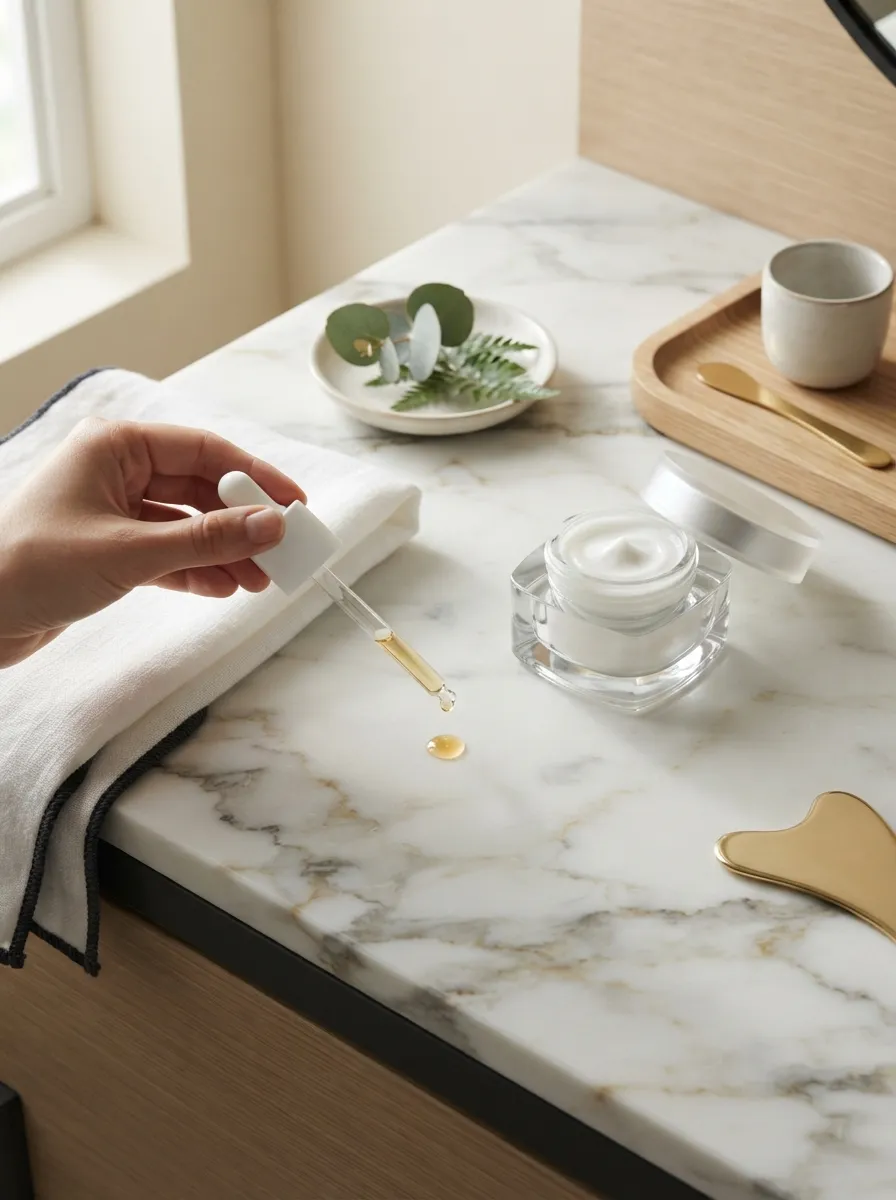
The best timing ultimately depends on what your serum is designed to do.
A quick guide:
- Hyaluronic acid: Often suitable for morning and/or evening.
- Niacinamide: Commonly used morning or night.
- Vitamin C: Often used in the morning.
- Peptides: Can generally fit into morning or evening routines depending on the formula.
- Retinol: Commonly used at night.
- Exfoliating acids: Often incorporated according to the product’s instructions and your skin’s tolerance.
Remember that these are general guidelines. Different formulations can have different instructions, so the product label should always take priority.
The Bottom Line
So, what is the best time to apply face serum?
For most people, the key isn’t choosing one magical hour. It’s applying the right serum at the appropriate point in your routine—usually after cleansing and before moisturizer.
Morning serums can complement your daytime skincare routine, while nighttime can be useful for certain active ingredients such as retinol.
Most importantly, choose products that suit your skin and use them consistently.